
Discover the Path to Reconnection and Ease
CranioSacralFascial Therapy with BodyTalk
Expanding the body, the mind and brain, gently
Fascia
The part of the body where your body holds onto pain, is called Fascia. It is a fine network of connective tissue, which wraps around your nerves, muscles, organs and bones. When it has been hurt - through an accident, surgery, birth or trauma, it becomes tight and thick. Fascia is made to glide and move fluidly and easily, when it has a scar or injury, its movement is stiff, restricted and hurts. And since the fascia is one whole network of the body, the whole body will be affected. The head, neck, shoulders, back, spine, right down to the feet are held in fascia - a pull in one area will pull all the way through. The cause of your neck pain may come from an old coccyx injury !
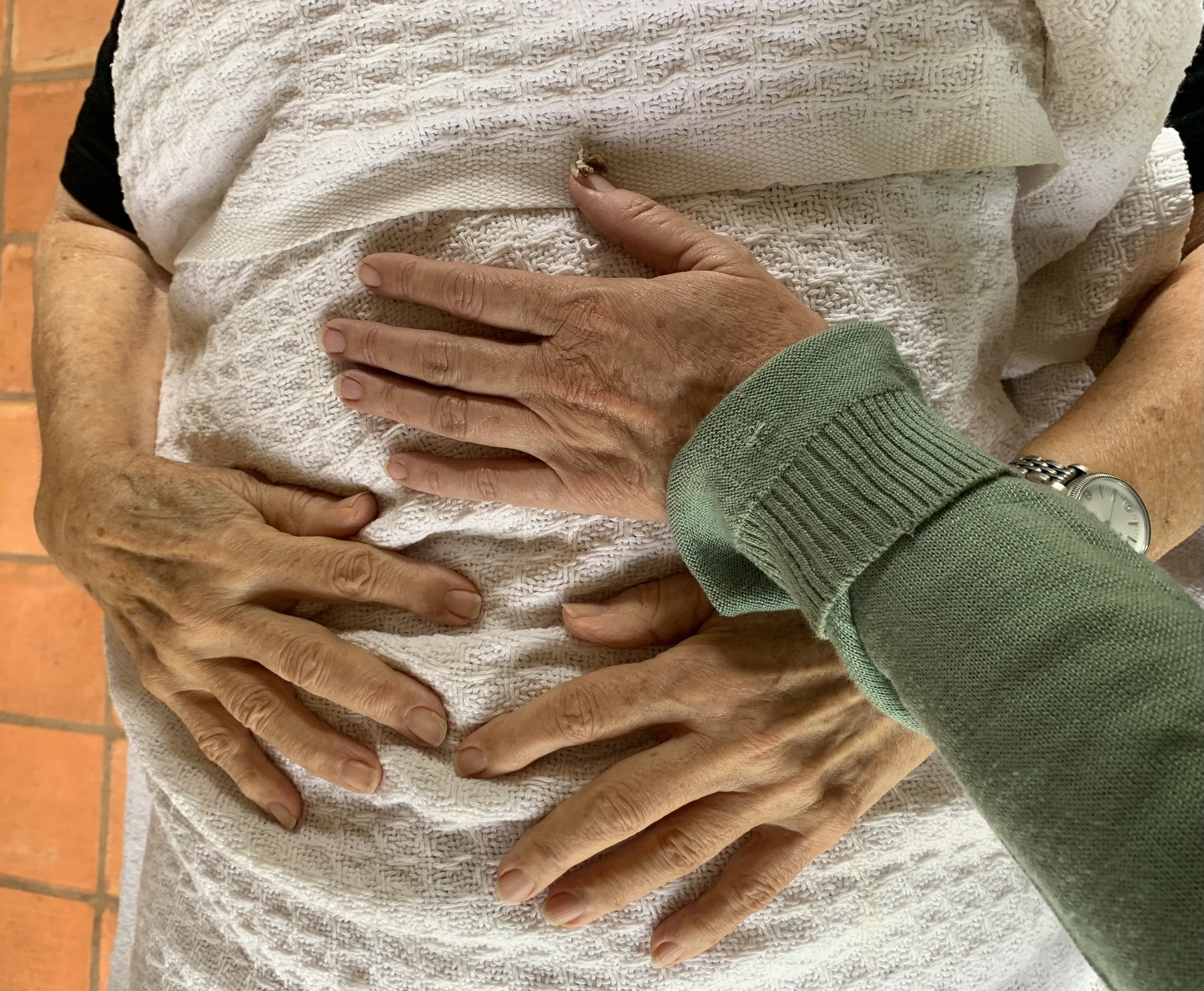
CranioSacralFascial Therapy is gentle, it’s hands-on the head and body are held, lightly stretched and massaged the release and relief is felt as the hurt areas unwind.
When the fascia is free to move, it has better blood circulation and the nerves communicate more clearly with the brain. The body can begin to heal that area - whether its a shoulder, the intestines, or the lower back

Cranio
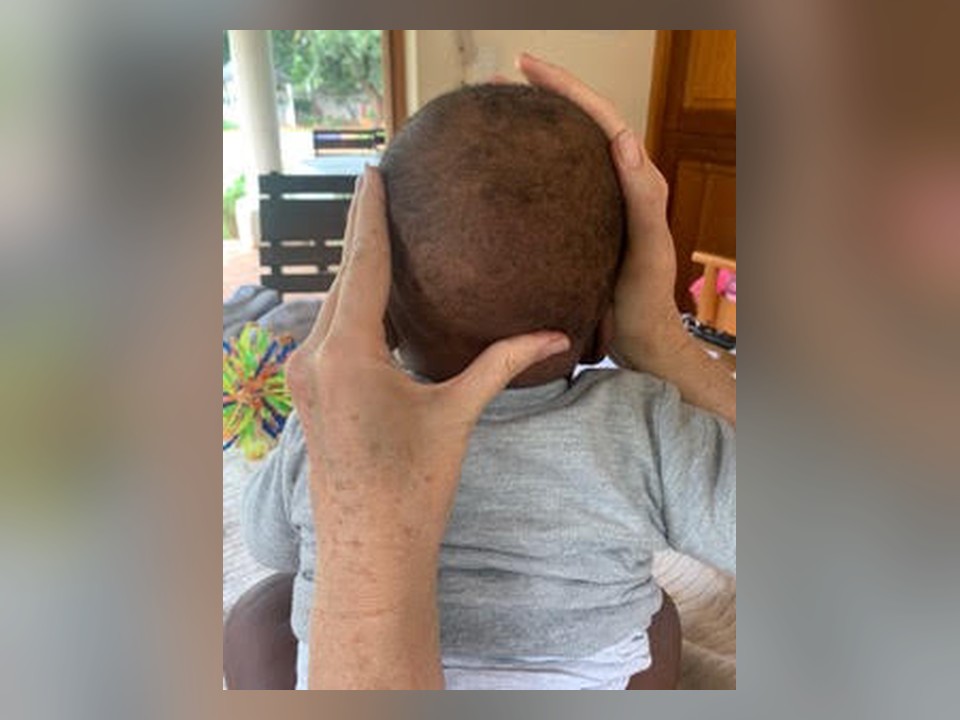
The Cranio refers to the Cranium- the skull. Julia will literally hold the head and feel for pulls and tensions, whether from the back, neck or skull
The skull, of course, houses the brain and the brain needs to move comfortably in the skull – sometimes the brain has been injured by disease, accident or surgery. Concussions, whiplash and falls cause small bruises and tiny scars on the brain, which needed to be freed up. The brain and spine is enclosed in Cerebrospinal fluid which can also buildup pressure if its unable to flow easily

Sacral
Sacral refers to the Sacrum, the large bone at the base of your spine, above the coccyx. The sacrum anchors the whole spine in a constant flow of movement – when we walk, bend and stretch, we are not rigid poles. Our pelvises work hard in daily life, they hinge and move, and easily hold twists and tensions. Falling off a horse, slipping on wet tiles, jumping into a shallow pool, child-birth and pelvic surgery all put a load of stress on the structure of the pelvis, as do sport injuries. That pain and tension spreads through the body

BodyTalk
BodyTalk is a holistic healing modality. It recognises that all parts of your body, mind and brain influence each other, and communicate with each other all the time. Julia incorporates BodyTalk in a treatment to check for priorities for improved health and not just the immediate obvious symptom. With 20 years of experience, Julia is able to get to the underlying cause, or original injury, wherever it is in the body, and choose the technique that will shift the body to effective healing in the order that is easiest for it
As featured in
The Citizen
17 September 2026
Julia Hastie speaks about fascia
Julia was recently quoted by The Citizen in its article, “Fascia massage is having a moment, but what is it?” She explains what fascia is, how restriction can affect movement and why properly trained fascial treatment uses gentle touch.
Read the articleFinding the right treatment for YOU and YOUR Family
Book Your SessionCFT for Adults
By the time we’re adults, most of us have experienced two or three critical events, which has a real time effect on how we move and feel, which affects our health. Many of us experienced difficulties in birth, we may not even know about it. But being confined in the birth canal, or wrapped in the cord, or rushed to hospital, will have been felt in the nervous system and fascia, literally before we arrived in the world. These experience's shape our body and brain.
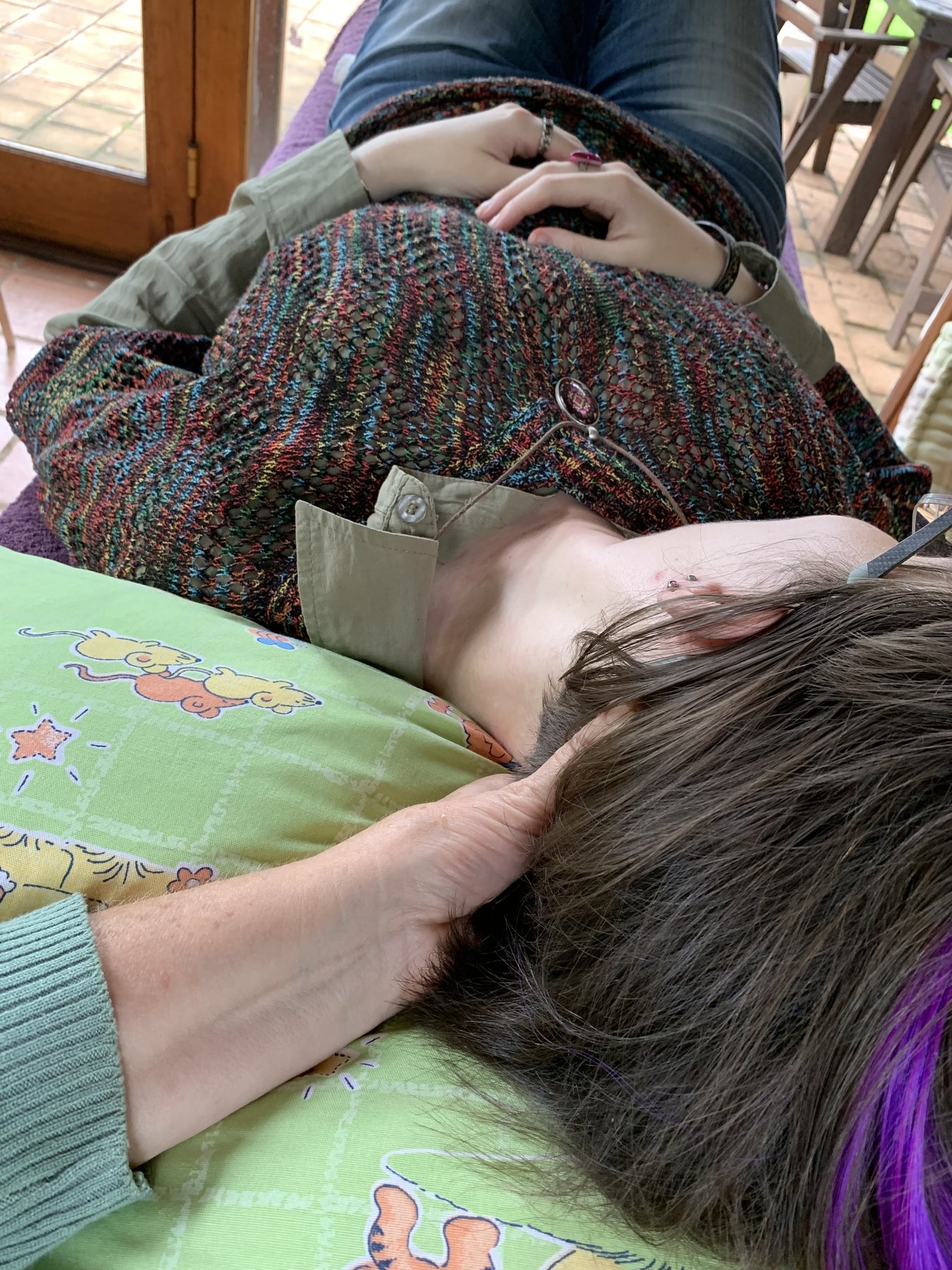
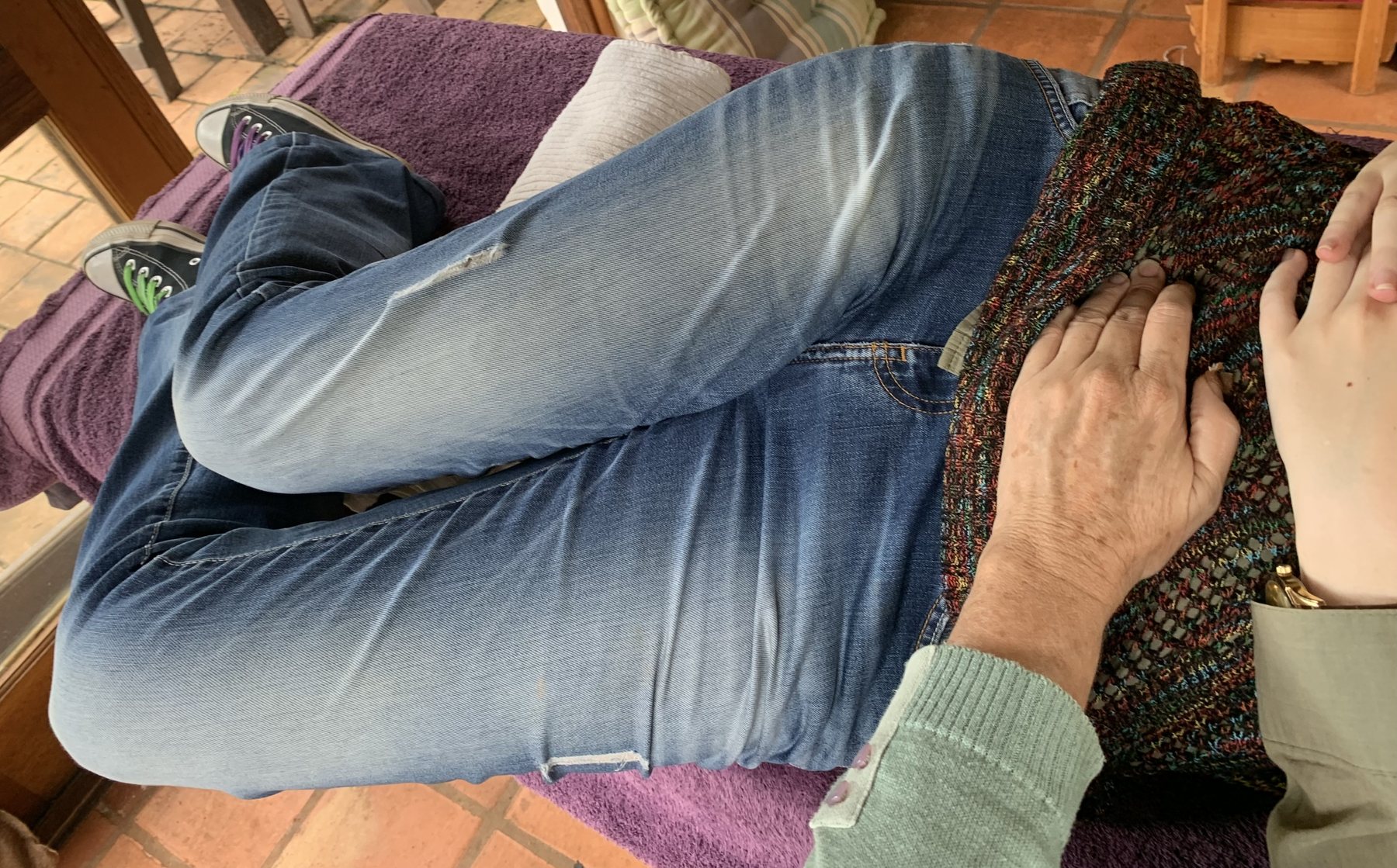
Most South African live very active life styles - we jump into dams, and fall off bicycles and play contact sports at school, and often get hurt. That injury on top of the birth story, begin to compound each other. And then there is usually one other event. A car accident, the loss of a loved one, sickness, being a victim of a crime and suddenly the tension pattern is locked in. It could be at the jaw, from clenching for so long (TMJ Pain), it could be chronic migraines and headaches from keeping it together; a tight shoulder which reaches into the neck and pulls it into an uncomfortable posture; the constipation which just wouldnt improve; the torment of insomnia. Its not the pillow, its not the sleeping position, its not the supplements. The body and mind have held on for a long time, and managed. And now it’s stuck. Combining BodyTalk and CranioSacralFascial Therapy, in a quiet safe environment, gives space to an adult, to lie on their back, fully clothed, and feel their body begin to unwind, and become freer. They usually say “ I need to see you” when they book. And they almost always say “I feel lighter” when they leave
CFT for Children
Children’s body’s often give clear and obvious signals that they are struggling - with concentration, with anxiety, with headaches and stomach pain. Many children are aware that they are not sleeping well, are clumsy, and have big emotions and difficult relationships but don’t know why, or how to talk about it. They are facing a fast-paced society, with poorer nutrition, more demands, and more pressure than ever before. Even pre-schoolers are bombarded with an excess of activity, stimulation and expectation.
Children are unlikely to be aware of the pregnancy or birth they experienced - there may have been an emergency, physical issues in delivery, a a hospitalisation, or even a fall or accident as a baby. These events will have put the nervous system under load - their first interaction with the world was frightening. Add in a family crisis, a change of school, a fall or disappointment and you have a bodymind system that will start showing symptoms.
During a CranioSacralFascialTherapy with BodyTalk treatment with Julia, the child is welcome to sit and draw or play, while chatting to Julia. Every step is explained, at no point will they experience pain and they give ongoing feedback on how their body is feeling. Julia will often start with a flat hand on their lower back and move up the back systematically. Some children find it difficult to have their head touched, and that is introduced slowly and at a pace that is comfortable for them, and with their permission. Some children appreciate the touch of a hand on the head, and find it soothing. In both cases, the children are shown a model of the skull and how the bones move, and how the treatment is helping to release tension in the head. Children are sensitive to changes and shifts in their body’s and will share these as they happen. As fascia is released, they will feel how their shoulders and necks move more easily. If they have tension patterns in their legs and feet, they will be shown these, and understand how it affects their movement. They appreciate the feeling of lightness and clarity after a session and parents give warm feedback of improved sleep, digestion, concentration, pain, behaviour and mood
CFT for Babies
Being born is an intense experience - no matter which way you arrive. There is pressure, whether from contractions of the uterus or from hands in gloves, there are pushes and pulls and twists on the head, neck and back as the baby moves from curled up in its safe position, out into the world. That’s assuming the womb was perfectly shaped, and the pregnancy progressed with no issues.
One of the comments I hear most often from a mother is that she felt the baby was squashed in the pregnancy. Or that it was noticed that the baby could not move as much as it would like during the pregnancy. For multiples, there are very obvious space restrictions in pregnancy, which means that the fascia and body settle into a curved pattern. This could change baby’s head shape, becoming uneven and asymmetrical, with resultant tension in the neck and shoulders. It’s really common for this tension to just stay, especially if a baby is swaddled often, even more so if they are in hospital or unwell - their body just doesn't get a chance to stretch out and expand in all the directions.
Aside from the physical demands of birth, and possibly trauma, there are so many emotions present! There is excitement and joy, but also worry and fear - especially when there are difficulties. The nervous system of a baby is connected to its mothers', and baby will be feeling these emotions, as well as their own. Two or three treatments in the early weeks and months of life, to help release these emotions can make a huge difference in fussiness, crying and restless in a baby.
Colic, reflux, spitting up and digestive problems are so common in babies, causing pain and distress for baby and parents. The stomach and intestines sit right below the diaphragm, a huge muscle which extends from the ribs at the front, through to the back. A twist of tension in the back and torso, causes torque through the diaphragm, which then affects the movement of the stomach, and the valves. Using the lightest touch to free up the fascia of a tight baby, along the back, gives the body a chance to unwind and open up. Baby’s usually have a big poo after a treatment and usually have better digestion from their first session. Parents often have such a struggle with feeding, and start changing formula and diets and bottles, and positions for feeding - but helping the body be softer and more able to suck, swallow and digest with mobile, free tongues, lips, and throats makes a tangible difference, and quickly.
The fascia of the feet ends at the tongue, or the other way around (tongue to feet!). Every part of the body is connected and affects each other. Sometimes we need to put on a glove and gently work inside the lips and cheeks, to free up the mouth and neck - this release goes all the way down the body to the feet. Or we may need to free the fascia of the feet up - and the lips and hips and back become more mobile. Tongue ties respond well to this treatment, as does releasing the scar tissue caused by drips, revisions and incisions on the arms, legs, feet and mouth
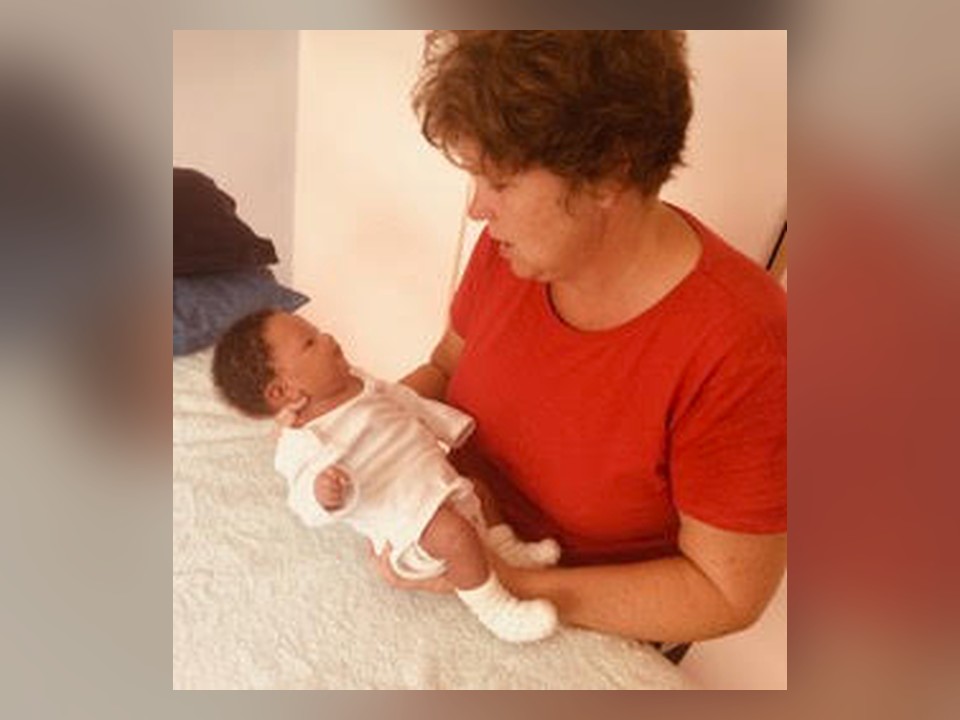
During a craniosacralfascial treatment for a baby, the parents will often hold the child and Julia will sit close enough to touch the baby. The comfort of the baby comes first: there is no pain, and no anxiety in the treatment. If the baby becomes over-stimulated, we simply take a break and a rest. Their little brains are working all the time, and they need to process the changes. They communicate clearly about how they are feeling and will begin to move differently in the session already. Where necessary, the parents will be given exercises to practice at home, but usually the baby just moves and eats and sleeps more easily because of the lovely loose feeling in the body.



Embrace a Path to Ease and Comfort
Discover a nurturing environment where you can begin your journey towards feeling lighter and more at ease. Whether it’s for you, your child, or your baby, our sessions offer a gentle and supportive space to start your healing process.